The watcher – W3 Prompt

Image – author’s own

Those hands,
those deliberate hands
stroking the covers, the pages
caressing them with fingers gloved in leather
I saw them, those fingers, turning page, after page
after page.
Closing a book
placing it to one side
taking another from the pile
set, neatly, tidily, monumentally in the aisle

Those eyes,
Those appraising eyes
looking down, and, then up,
caressing me with ice grey, narrowed in thought
reading me in place of the words on the page
after page
Closing a book
placing me to one side
taking another from the pile
setting me neatly, tidily, placing me in your file

His lips,
his tongue that he slips
between his teeth, fingers he licks
gloved flingers that flip
through pages of books
that he sees but not reads, his covert, foul needs
barely hidden from sight
in the library at night.

A crescendo is reached,
my fear, lurking, creeps
boils out of my skin
I shall not hide from him
I rise, tall and strong,
take my stand
stride my stride
I

walk
to
his
side

I see you
I say
this is the last day that you do this
in your gloved, threatening way
I’m taking a leaf right out of your book
Filing you away, waiting for the day
Until you’re erased and deleted


And I will say
Let him look

*****

Through taking part in the dVerse Open Link Night, I discovered a new-to-me poetry prompt – W3. Organised by David over at The Skeptic’s Kaddish, each week a different poet is Poet of the Week, who’s poem each participant reads before submitting their poem in response to the prompt. The poems are then read by the Poet of the Week who selects the next week’s Poet of the Week.

W3 Prompt #84: Wea’ve Written Weekly’s poet of the week, Selma, has prompted us to write a memory poem reflecting on and celebrating personal memories and experiences, which often evoke feelings of nostalgia, joy, or sadness. She stipulated that it must be between 100 and 300 words long, and must end with ‘Let him/her look’.

I wouldn’t necessarily classify my poem as being nostalgic, but it was definitely inspired by sadness and a heft dollop of fear.

I hope you enjoy reading this poem – do hop on over to the link above on The Skeptic’s Kaddish blog to read more of the wonderful poems. You could even take part yourself!

Superfat Seven

Yesterday I was having a chat with one of my writer friends about putting your face online. He has just launched the second novel in his series about Ardamin, a clone inhabiting a dystopian future (check the series out here on Amazon) and he has been promoting the latest novel on Instagram, including showing himself with his book.

So far, so normal. Unless you’re me, or someone like me. I’ve been running this blog since April 2013 (with some gaps for life events) and I’ve never put my face, let alone my body, on view. Over on my Instagram account there are maybe three instances where I’ve revealed myself as an adult. That’s out of 581 posts I’ve put up over there. And… to be honest I fight every day not to take them down. I may yet do that.

Why?

Superfat Seven.

When I was nine, we moved house, from a big city to a village. I was The New Girl. And some boys in the class below me immediately started calling me Superfat Seven. Until this point, I don’t think I’d ever thought about how I compared to other kids in my class. I was just me. That name would follow me everywhere I went, and I dreaded walking home from school if they were on the same street (which they often were) because the name calling would follow me home. I’ve seen photos of myself at that age and I can’t see why they chose that name, looking at it objectively. I had pudgy cheeks, but I wasn’t the huge lump that I very quickly saw myself as due to this name. Looking back, I guess the sole reason I was bullied was because I was The New Girl. That was it. But, the name had life-changing consequences.

I’ve never been diagnosed (I’ve never sought it out), but I’m almost certain I have Body Dysmorphia. I will do almost anything to avoid having my photograph taken. Even with family photos as I was growing up, I desperately wanted to grab the camera and throw it to the floor. But I was a well-behaved kid and knew that cameras were expensive so… I didn’t. I can’t bear to look at myself in the mirror. The only thing I focus on when doing my hair in the morning is the hair itself. When going somewhere where I have to be presentable, I focus on the neatness and cleanliness of the clothes themselves and whether what I have chosen is objectively ‘good enough’, not how I look in what I am wearing, because I will never accept how I look.

I have learned to mask the depression and anxiety that this has caused, but it has become entangled in other issues over the years. Unravelling it all seems like another lifetime’s work. Masking is what we do to get by in life, isn’t it? Don’t get me wrong, I don’t for one minute think that anyone else is bothered by how I look, nor do I think I am the focus of their attention. This is all about my inability to accept myself.

Superfat Seven.

What has this got to do with writing, with being an author? A hell of a lot, actually. Marketing your novel when the perceived wisdom is that you will be more approachable, more memorable, more relatable (I hate that word so much!) if you show your face, is a huge problem for someone like me. I know so many other authors who have their Instagram account filled with themselves. Their posts are bright and engaging and… relatable.

The upside is that I used this crushing mental health issue (because it is a mental health issue, let’s be honest) to my advantage when writing Callie, the main character in Anti-Virus. The cause of her situation is very different and entirely more violent than childhood bullying, but I was able to build on my personal experiences to create her story. So, there is that.

They say what doesn’t kill you makes you stronger. It may be true. Sometimes though, it would be such a relief to be strong without having to go via Superfat Seven Highway to get there.

Malakhi

img_0341

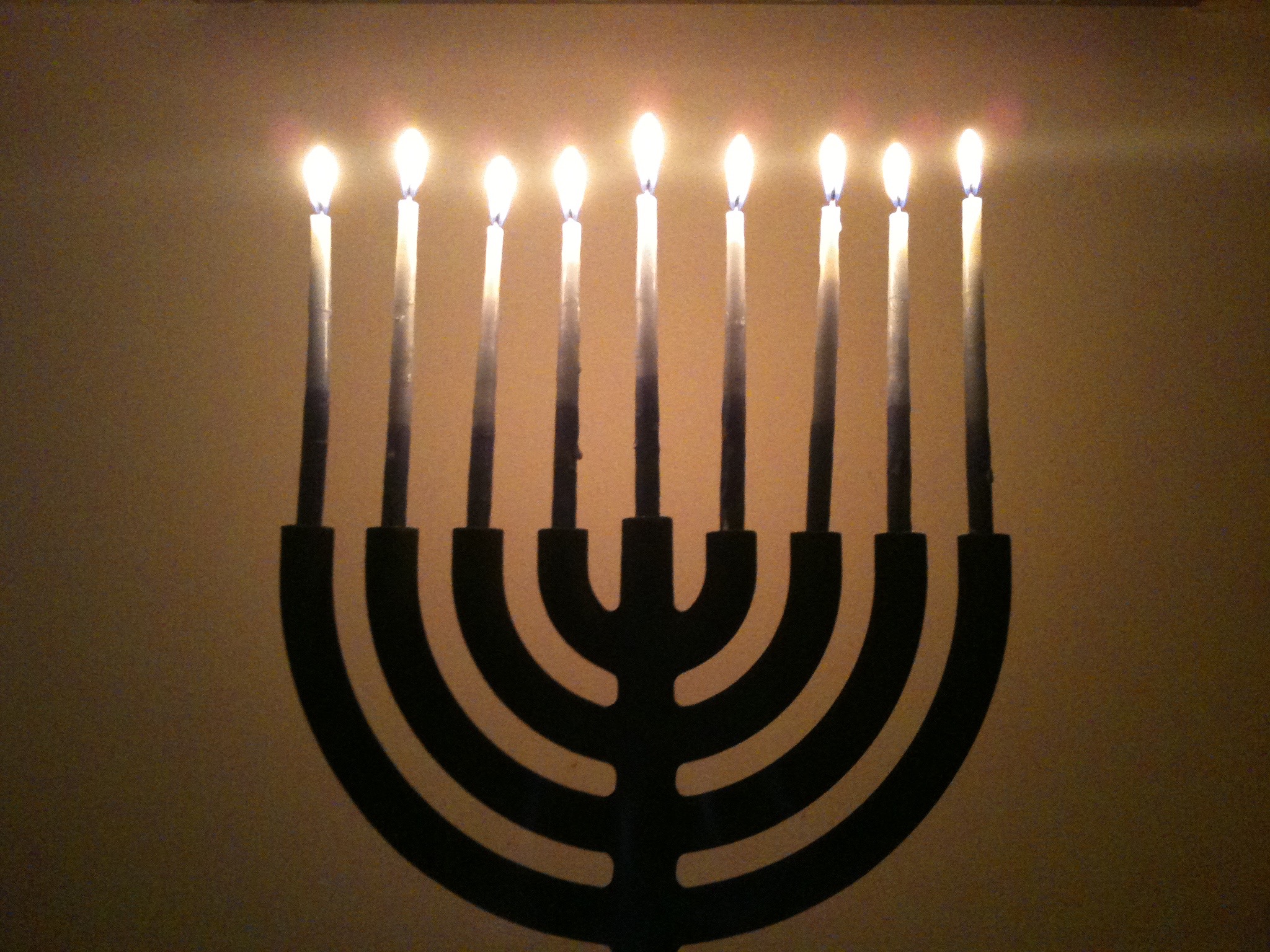
A teacher, a rabbi came to this earth

courtesy of a star, a manger and a virgin birth.

Ages before, despite the temple’s destruction

oil of one day stretched out to eight –

– imagine the miracle!

Hope lights our times, shadows flee in their wake

Hanukkah, Christmas in one time combined.

Faiths diverge but converge all the same

in their wishes for peace and love and brotherhood,

if you can cut through the soundbites and posturing, that is.

I am a mongrel, one foot in the Deep Mid Winter of my past

My heart swelling to Baruch Hu as I whisper Kaddish in memory.

Y’hei sh’lama raba min sh’maya

Bitter sweet at this time of disruption

For all that is gone, for all that has broken

For all that divides in words left unspoken.

Amen.

Shalom.

Salaam.

Shalom Aleichem.

As Salaam Aleikum

Oseh shalom bim’romav hu ya’aseh shalom

Let us welcome the Malakhi, in whatever form he – or she – takes.

******

It’s been a while. Longer than I thought. Life, you know?

Last night saw the first night of Hanukkah and Christmas Eve – two miracles for the price of one. It inspired me to take some time during a small oasis of calm to share my thoughts, my feelings, to highlight just a tiny slice of the similarities in the underlying hopes of the three Abrahamix religions, not to mention in some of the words used in greetings and wishes bestowed.

Yes, it’s probably a bit clumsy (I’ve not written for a while) – but it’s all me.

Whatever faith you follow or not, I send my love to you, my brothers and sisters in this messed-up, argumentative worldwide family of ours.