Transient

How can you prove something didn't happen
when the only witness is you?

When you’re the one curled up on the hexagoned floor
watching the blood seep through

the cotton weave of your favourite skirt
the one that caressed the slight mound

of your stomach, the one you’d hidden
for all those years, flattening it with

girdle pants to be just like the girls
with concave femininity, the ones

who glanced sideways at your tree trunk thighs
sneering as they passed you by

tree trunk thighs with muscles of water
as you scrabble around on the bathroom floor

scooping up blood rivulets in shaking fingers
drawing faces in the most intimate places

imagining eyes of an unavailable daughter
laughter of a boy running towards you

and your arms ache, your stomach burns
your heart expands and the lesson you learn

as your defective womb leaks all over the floor
is: this isn’t for you, it’s too late and too soon

for the world to welcome another like you

Over at dVerse Open Link Night, we are invited by our congenial host Grace to share a poem in response to the prompt she has set, or something else entirely. This week, I have decided to go for something else.

If you would like to take part and also have the opportunity to read other poets’ work, please click on the link, read the post and dive on in!

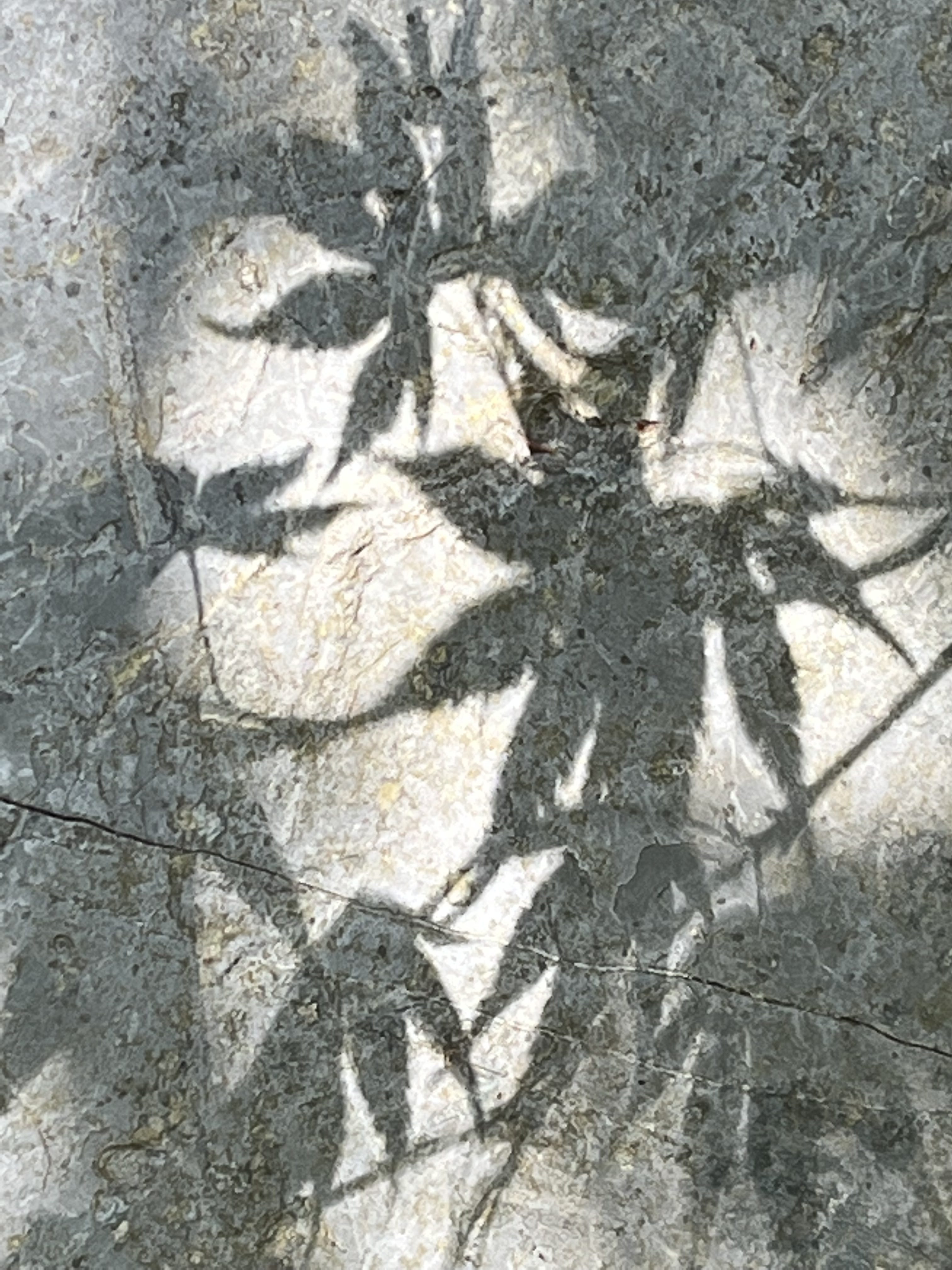
(Image by Jean Marc Pampuch at Pexels).

Promise of Rain

He sows fine seeds upon the earth
But no wheat grows, there is a dearth
Of rainfall

The sun beats down upon his field
The soil bakes hard, there is no yield
Still rainless

He hopes for wind and begs for clouds
He whispers soft, he prays aloud
for raindrops

He lies prostrate, drowning in fears
A ghostly form cries saltless tears
The rainsprite

Showers and sunlight join as one
The heavens shimmer, having fun
A rainbow

It’s Meeting the Bar time over at dVerse Poets Pub, and Laura, our congenial host, has asked us to create a Compound Word Verse of five stanzas, three lines in each, with the syllable format 8/8/3 and rhyming pattern a/a/b. The final line must end with the required compound word that begins, or ends, with the stem word.

Limitation can often create freedom as our poetic and creative minds no longer need to expand into the freedom of the form, but in the story itself. I had no idea I was going to write a poem about a farmer desperate for rain – although given the drought and constant high temperatures we have had in Europe, this probably isn’t surprising.

If you fancy trying your hand at this Compound Word Verse form, why not join us? It’s fun, creative and you can read lots of other contributors’ poems into the bargain!

Martini (dirty)

Once in a lifetime I hover
at the threshold, made ice
with fear, thawed by hope
yet brittle with acceptance
for this is no rehearsal; no
amount of practising the
u
n
f
u
r
l
i
n
g
of your life
can prepare me for your journey

and this will not be
the last time, for you are the first
the most important, paving the way
and perhaps, because of that
I fancy this gives you solace
together with the drama
that your departure creates;
a fanfare marking your final parade

you are not keen on acceptances
nor being the quiet man
preferring to make waves, no, bloody storms!
your greatest fear is
being left behind, so you leave first
slamming the door shut
to make your point

hope is a barbed crown of roses
scratching your scalp red-raw, blood
and perylene petals not merging, but fighting
like the tigers in your soul; I never know which one will win
fearing one, hoping for the other
understanding
finally, that I have no say

as for the ice?
you prefer it
- - floating - -
in your martini (dirty)
two olives, pierced

and even still you raise your glass chin chin
and I ciao ciao
you, always present, never past tense
au revoir, Dad
this is not goodbye.


Over at dVerse Poets Pub, it’s time to dive into a bit of Poetics with our friendly host, Kim. This week she has asked us to be inspired by the glorious poem ‘The Window’ by Mary Jean Chan, which you can read here. Her poem won second prize in the 2017 National Poetry Competition.

Kim has asked us re-read and explore Chan’s poem,  particularly the use of line breaks and caesura to build rhythm and evoke emotion, and the three-word movement: “anger is like the sun, which is like love” and then write a poem that begins with ‘Once in a lifetime’, just like Mary Jean Chan’s.

Writing this was certainly enjoyable but quite a challenge to begin with, and then I got into a rhythm, losing myself in the process. Even though it’s thirteen years since my dad died, he’s still inspiring me. His death certainly wasn’t goodbye!

If you’d like to join us, head over to dVerse, follow the guidelines and most of all, have fun!

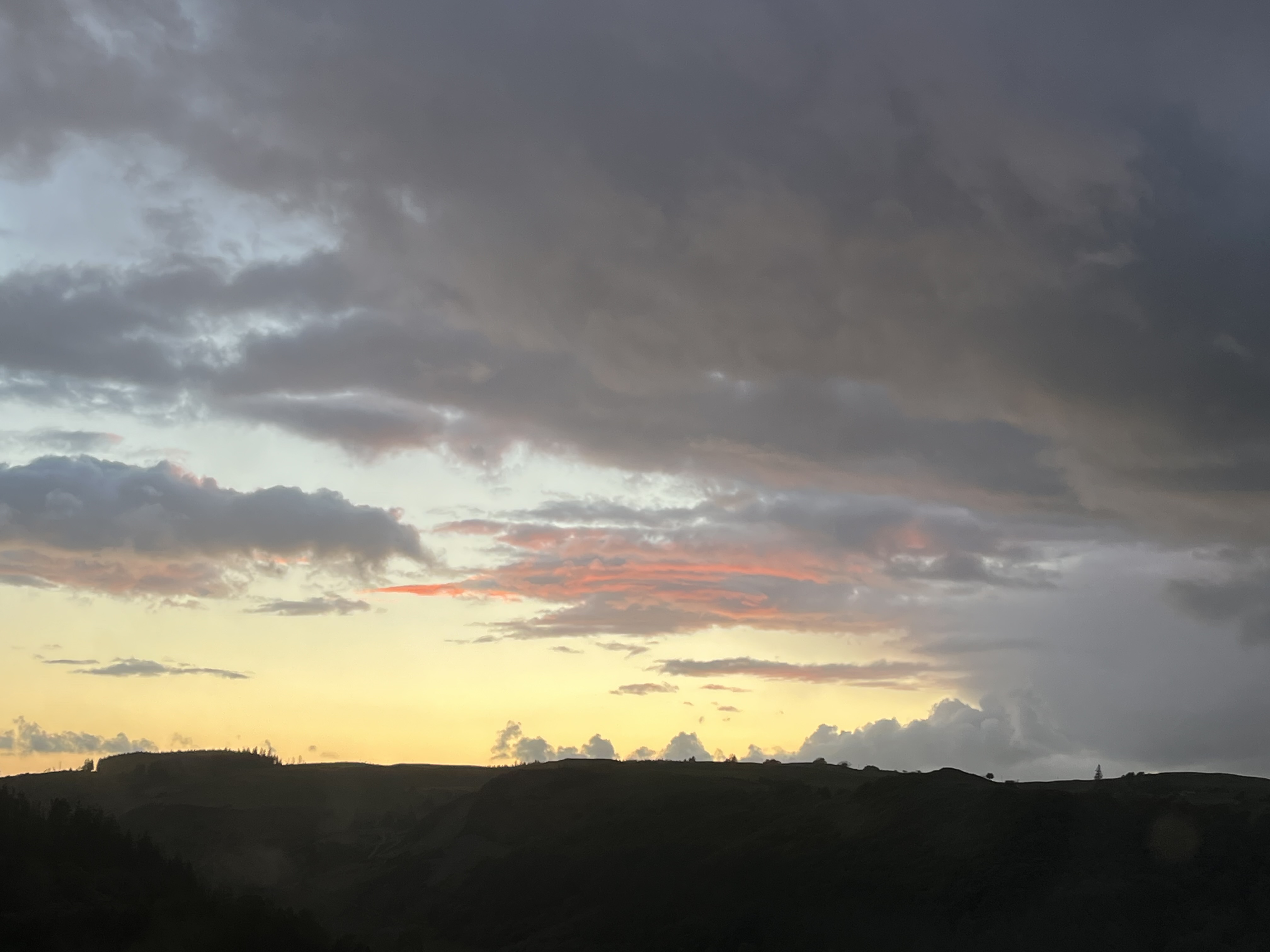
(Image by https://www.pexels.com/@amine-kubranur-cakiroglu-689611212/ on Pexels).